Introduction
Plant-based hair coloring has become a trusted choice for people who want a gentle, natural alternative to chemical dyes. Instead of harsh developers and synthetic colors, herbal dyes use ingredients from leaves, flowers, and roots to tint the hair in a safe, traditional way. A natural plant based hair dye works by coating the hair cuticle rather than penetrating it, which keeps the hair strong and reduces damage. Herbs like henna, indigo, amla, and bhringraj have been used for centuries in many cultures. Today, products such as BAQ Henna Powder, Indigo Powder, Bhringraj Powder, and Amla Powder make it easy to create simple and effective color blends at home. This guide explains the science behind these herbs and how they work together to color and nourish hair naturally.
How Plant-Based Hair Dyes Actually Work
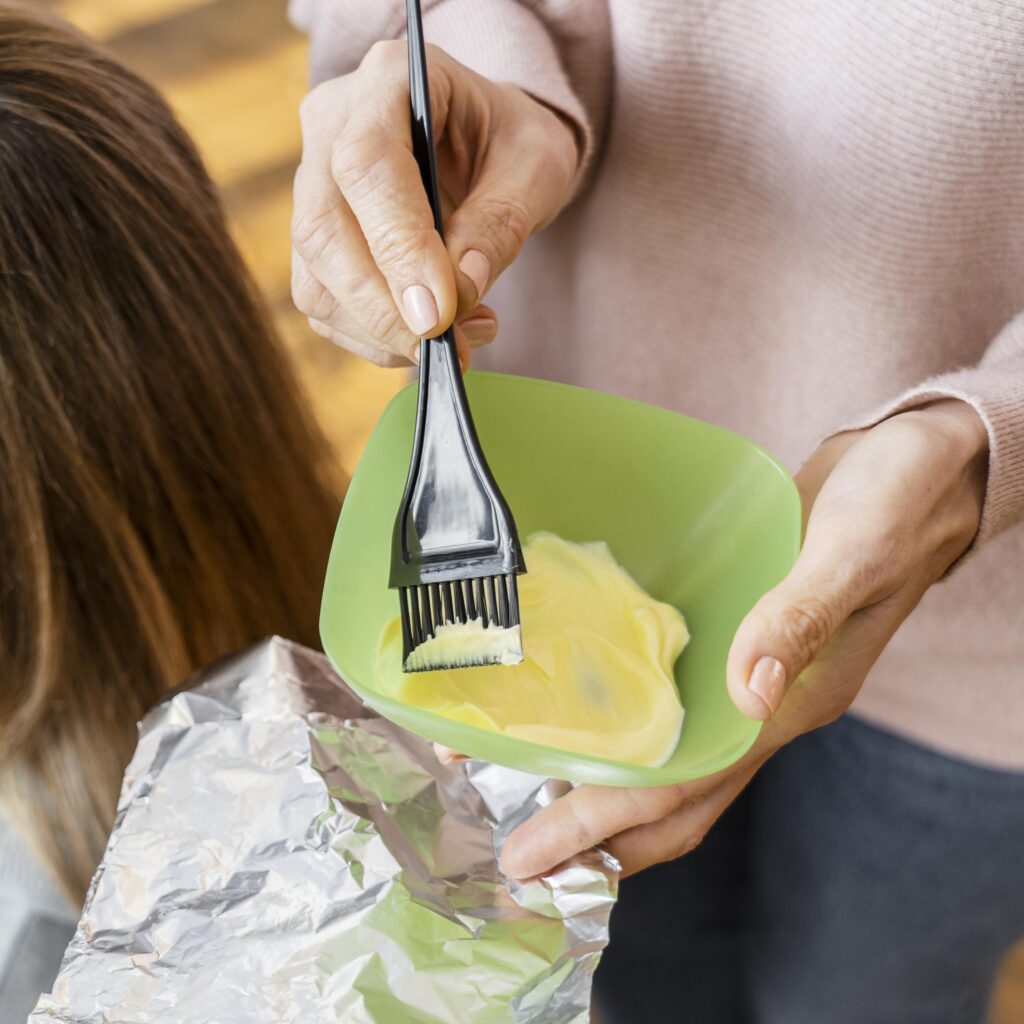
Unlike chemical dyes, which open the hair cuticle and change the internal pigment, a natural plant based hair dye coats the outer layer of the hair shaft. This creates a protective film that adds shine, improves strength, and gives a natural tint without damaging the structure of the hair.
How the coloring process works:
• Herbal pigments bind to the keratin in the hair
• Color develops gradually and deepens with each application
• No harsh chemicals or ammonia are involved
• The hair becomes smoother and thicker over time
This gentle method is the main reason many people prefer chemical free coloring. With the right herbs, you can achieve brown, reddish-brown, dark brown, and black tones safely. Using ingredients like henna, indigo, amla, and bhringraj, you can create herbal color blends that color the hair while supporting scalp and root health.
Understanding Henna: The Foundation of Herbal Hair Color
Henna is one of the most important ingredients in natural plant based hair dye. It comes from the leaves of the Lawsonia inermis plant, which contain a natural pigment called lawsone. When mixed with water, this pigment binds to the hair, giving it a reddish-orange tone.
Pure henna benefits include:
• Strengthens hair strands
• Reduces frizz
• Improves shine
• Supports scalp health
• Adds a natural protective coating
Henna is especially popular for henna for grey hair, as it helps blend grey strands smoothly with warm tones. When layered with indigo, henna can also create darker shades.
BAQ Henna Powder (Body Art Quality) is often preferred because it is finely sifted and gives a smooth, consistent paste. This makes application easier and helps the pigment release more effectively. BAQ-quality henna is also minimally processed, which supports better color results and maintains the purity of the leaf powder.
Henna alone gives a rich reddish tint, but when combined with other herbs, it can be used to create many different tones. That’s why it remains the base for most natural hair coloring methods.
Indigo Powder: The Key to Darker Shades
While henna gives warm tones, indigo is used for creating deep browns and blacks. Indigo is made from the leaves of the Indigofera tinctoria plant and has been used for natural coloring for thousands of years.
Indigo powder uses include:
• Achieving brown or black tones when used with henna
• Cooling down the bright red tones of henna
• Strengthening the hair with a natural coating
• Adding depth to herbal color blends
Indigo must be used correctly for the best results. Most people use it in a two-step method:
- Apply henna first
- Apply indigo afterward
This creates natural dark brown or black shades that look soft and blended. Indigo can also be mixed directly with henna for lighter brown tones.
Because indigo is gentle and plant-based, it fits perfectly into chemical free coloring. When combined with BAQ Henna Powder, it gives long-lasting, natural-looking color without harming the hair.
Supporting Herbs: Amla & Bhringraj for Healthy Hair Color
Apart from henna and indigo, herbs like amla and bhringraj play an important role in natural coloring systems. These herbs do not color the hair by themselves, but they support pigment bonding, shine, and overall hair strength.
Amla Powder
Amla is rich in vitamin C and antioxidants. It helps darken henna tones slightly and improves the depth of the color. It also supports stronger roots and reduces dryness.
Bhringraj Powder
Known in Ayurveda as a hair-rejuvenating herb, bhringraj supports scalp circulation and promotes thicker-looking hair. Adding it to herbal blends helps nourish the scalp while you color.
Together, these herbs help create balanced herbal color blends. They naturally condition the hair, improve pigment hold, and make the final color look smoother and healthier.
Building Your Own Herbal Hair Dye Blend
Creating your own natural plant based hair dye blend is simple once you understand how each herb works. The right combination of henna, indigo, and supporting herbs can give you beautiful, long-lasting color.
For a soft brown shade:
• Mix henna + indigo
• Add a small amount of amla for cooler tones
For dark brown:
• Use a two-step method
• Henna first, indigo second
For reddish brown:
• Use more henna and less indigo
• Add bhringraj for scalp support
For warm red tones:
• Use henna alone
• Add amla for better shine
Make sure to mix the powders with warm water and allow henna to rest for dye release. Indigo should be used immediately after mixing to avoid pigment loss.
By adjusting ratios, you can create your own personal shade using BAQ Henna Powder, Indigo Powder, Amla Powder, and Bhringraj Powder. This approach keeps your hair looking natural while avoiding chemical dyes.
Why Natural Plant-Based Hair Dye Is Safer
Conventional hair dyes often contain ammonia, peroxide, metallic salts, and synthetic pigments that can irritate the scalp or weaken the hair shaft over time. A natural plant based hair dye, on the other hand, avoids these chemicals entirely.
Benefits of using herbal dyes:
• No harsh smell or burning sensation
• Safe for regular use
• Results improve over time
• Gentle on sensitive scalps
• Hair becomes stronger instead of weaker
Plant-based dyes focus on nourishing the hair first, then adding color. This is why many people experiencing dryness or brittleness prefer using chemical free coloring alternatives. With herbal blends made from henna, indigo, amla, and bhringraj, you can color your hair confidently without worrying about long-term damage.
FAQ
Q1: Can natural plant-based hair dye cover grey hair?
Yes. Using henna followed by indigo gives excellent grey coverage.
Q2: Is henna safe for regular use?
Pure henna is gentle and can be used often, especially BAQ-quality powder.
Q3: What are indigo powder uses for hair?
Indigo helps create brown and black shades when layered over henna.
Q4: Can I mix all herbs together in one blend?
Yes, many people combine henna, indigo, amla, and bhringraj for balanced results.
Q5: How long does herbal color last?
Most herbal colors last 3–6 weeks, depending on hair type and washing habits.
Q6: Do herbal dyes damage the hair?
No, plant-based dyes do not damage the hair and often improve texture.
Conclusion
A natural plant based hair dye system is a gentle and effective way to color your hair without chemicals. Herbs like henna, indigo, amla, and bhringraj work together to create rich, natural shades while supporting scalp and hair health. To get started with pure ingredients, you can check out Taj Henna’s range of herbal hair dye products designed for natural coloring. Whether you’re looking for henna for grey hair, exploring indigo powder uses, or simply switching to chemical free coloring, herbal dyes offer a safe and traditional solution. By experimenting with herbal color blends using BAQ Henna Powder, Indigo Powder, Amla Powder, and Bhringraj Powder, you can create colors that suit your style and hair needs. With time and consistency, plant-based dyes help your hair become stronger, shinier, and naturally beautiful.