A Complete Beginner’s Guide to Natural Henna: Types, Benefits & Uses
Introduction
Henna has been used for centuries for hair care, skin decoration, and traditional rituals across different cultures. Today, many people are shifting back to natural beauty practices, and henna is one of the most trusted ingredients in this journey. If you are new to henna and want to understand its types, benefits, and safe uses, this beginner-friendly guide will help you get started. Whether you’re exploring organic henna powder, curious about traditional henna uses, or want natural ways to nourish and color your hair, this guide covers everything in simple, easy-to-understand language. You’ll also learn how herbal powders like Indigo and Brahmi work with henna for healthier, more beautiful hair.
What Exactly Is Henna?
Henna is a natural plant (Lawsonia inermis) whose leaves are dried and finely powdered. This powder releases a natural dye called lawsone, which bonds with hair and skin to create a reddish-brown stain. Henna has been used for thousands of years in different cultures for body art, hair care, and celebrations.
When the leaves are ground into organic henna powder, no chemicals or dyes are added, making it safe for most people. Many people also choose BAQ Triple Filtered Henna Powder because it is finely sifted and smooth, which makes application easier.
Henna is loved for its cooling nature, conditioning effect, and natural coloring abilities. Today, it is also combined with other herbal hair care powders like Indigo, Brahmi, Amla, and more to create different shades and deeper hair benefits.
Different Types of Henna
If you are starting with henna, it’s helpful to know the types of henna available today. Each type has a different purpose and result.
1. Natural Henna (Pure Henna)
• Made from pure henna leaves
• Gives reddish-brown color
• Used for hair conditioning and soft coloring
• Safe for regular use
2. BAQ (Body Art Quality) Henna
• Extremely fine and smooth
• Triple-sifted varieties like BAQ Triple Filtered Henna Powder and BAQ Henna Powder
• Gives strong dye release
• Preferred for hair coloring and mehndi
3. Neutral Henna (Cassia)
• Not actually henna, but a plant with similar benefits
• Does not color hair
• Used mainly for conditioning
4. Black Henna (Henna + Indigo)
• 100% natural when made by mixing real henna with Indigo Powder
• Gives darker shades depending on the method
• Excellent for natural brown and black tones
When choosing henna, always look for natural or organic options without added chemicals or artificial dyes.
Benefits of Using Henna for Healthy Hair
Henna is one of the oldest and safest ingredients for hair care. When used properly, it can improve hair health in many ways. Here are some simple benefits:
1. Natural Conditioner
Henna coats each hair strand, making it look thicker and smoother. This helps control frizz and adds shine.
2. Strengthens the Roots
Regular use of pure organic henna powder reduces dryness and strengthens hair from the roots, helping reduce breakage.
3. Safe Natural Hair Coloring
If you want to avoid chemical dyes, henna is one of the best natural hair coloring methods. Pure henna gives an orange-brown shade, while mixing it with Indigo Powder can help achieve brown or black tones.
4. Reduces Dandruff and Itchiness
Henna has natural cooling and antibacterial properties that soothe the scalp and reduce irritation.
5. Works Well With Herbal Powders
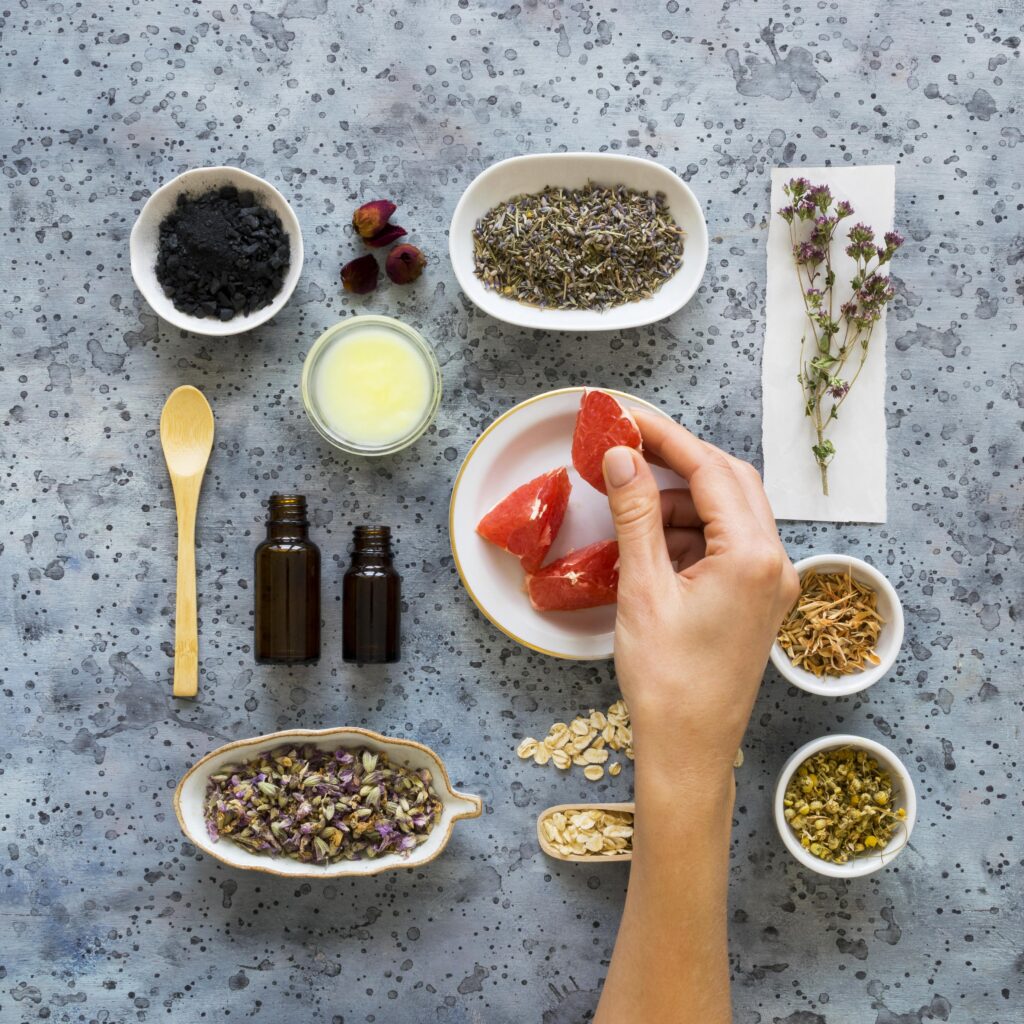
Combining henna with Brahmi Powder, Indigo, Amla, or Shikakai helps promote strong, nourished, and healthier hair.
If your goal is long-term hair health without harsh chemicals, henna is a great place to start.
Traditional Henna Uses Around the World
Henna has been a part of cultural traditions for centuries. Here are some traditional henna uses that continue even today:
1. Hair Care Rituals
In many cultures, women use henna to strengthen and color their hair naturally. Families often apply henna during festivals for healthy, shiny hair.
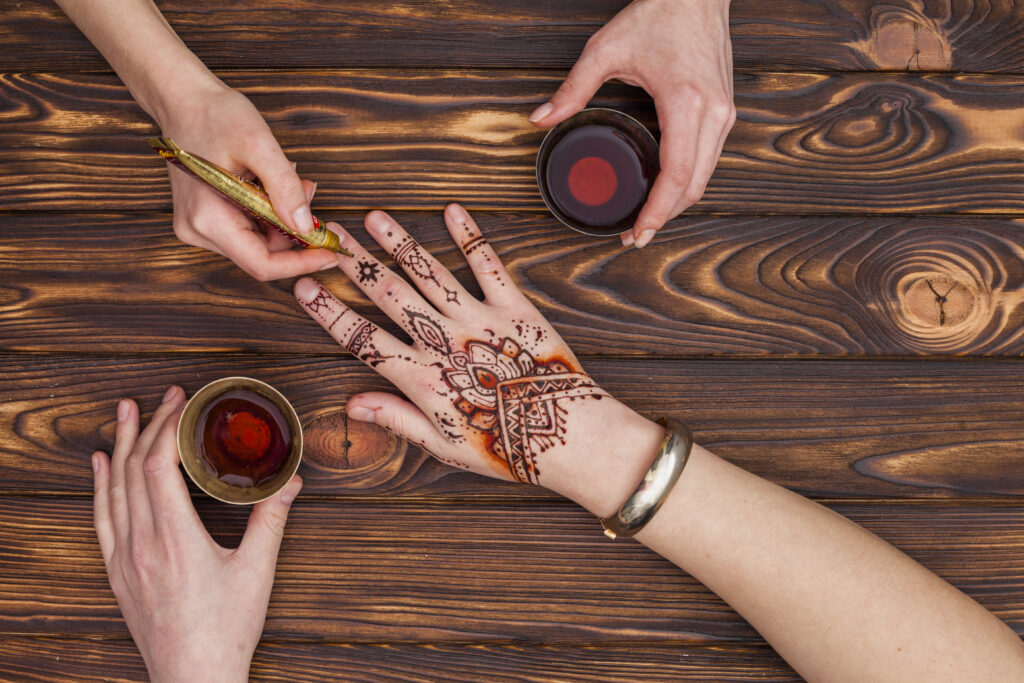
2. Mehndi for Celebrations
Henna is applied during weddings, festivals, and ceremonies. The reddish stain symbolizes joy, beauty, and blessings.
3. Cooling Body Pack
In older traditions, henna paste was applied to the palms and feet to cool down the body during hot seasons.
4. Herbal Medicine
Some cultures use henna for its healing and soothing qualities.
Henna has survived generations because it is natural, safe, and deeply connected to cultural beauty practices.
How to Use Henna for Hair: A Simple Beginner Method
If you want to try henna for the first time, here is a simple and effective method:
You Will Need:
• Pure organic henna powder (or BAQ Henna Powder)
• Warm water or tea water
• A bowl
• A brush or gloves
Steps:
- Mix henna powder with warm water to form a smooth paste.
- Let the paste rest for 6–8 hours for dye release.
- Apply evenly from roots to tips.
- Leave it on for 1.5–3 hours.
- Rinse with plain water (avoid shampoo for 24 hours).
For Darker Shades:
Use Indigo Powder after henna or mix it with henna for brown/black tones.
For More Nourishment:
Add Brahmi Powder, Amla, or fenugreek powder to your henna mix to boost shine and strength.
This simple routine is safe, chemical-free, and gives your hair a natural, healthy glow.
FAQ
Q1: What is the best type of henna for beginners?
Pure organic henna powder or BAQ henna is ideal for first-time users.
Q2: Can henna cover grey hair naturally?
Yes. Henna gives a reddish tone, and mixing it with Indigo can create brown or black shades.
Q3: Is henna safe for regular use?
Yes, natural henna is safe and strengthens hair over time.
Q4: What are some herbal hair care powders to mix with henna?
Indigo Powder, Brahmi Powder, Amla, and Shikakai are commonly used.
Q5: Does henna dry hair?
Pure henna does not; but rinsing well and oiling afterward keeps hair soft.
Q6: What are traditional henna uses?
Hair care, mehndi designs, cooling packs, and cultural beauty rituals.
Conclusion
Henna is one of the safest and most natural ways to care for your hair and body. Whether you want gentle coloring, stronger hair, or a traditional herbal routine, using organic henna powder is a great place to begin. For high-quality henna, visit Taj Henna, a trusted source for natural hair care. You can also explore their range of Natural Henna Powder to choose the best option for your hair needs. By understanding the types of henna, its benefits, and different natural hair coloring methods, beginners can explore henna with confidence. Including herbal powders like Indigo and Brahmi Powder can help you customize shades and improve hair health even more. Henna is simple, safe, and deeply rooted in natural beauty traditions — making it a timeless choice for anyone looking for a clean and holistic hair care method.