From Ancient Traditions to Modern Care: The Evolution of Henna Usage
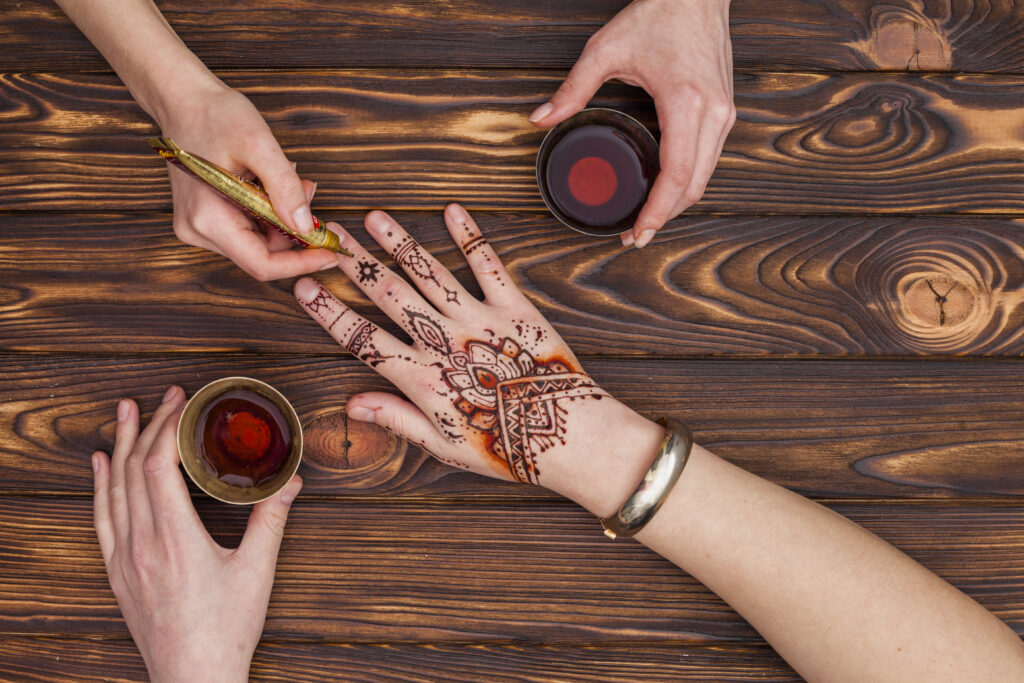
Henna has been a part of human culture for thousands of years. From decorating hands during celebrations to caring for hair naturally, henna continues to hold a special place around the world. The history of henna shows how this simple plant became a symbol of beauty, tradition, and natural wellness.
Today, henna is still used in weddings, festivals, and everyday self-care routines, but with one major evolution—modern henna manufacturers, wholesale suppliers, and exporters now make pure, high-quality henna accessible worldwide.
Whether applied as body art or used as a gentle hair dye, henna connects ancient knowledge with modern beauty practices. In this guide, we explore how henna evolved—from early cultural traditions to today’s herbal haircare. We’ll also look at pure options like Triple Filtered Henna Powder, BAQ Henna Powder, Mehandi Cones, and natural color blends using Indigo Powder, now widely produced by professional henna manufacturers and suppliers in India.
The Early History of Henna
The history of henna goes back more than 5,000 years. Evidence of henna use has been found in ancient Egypt, India, the Middle East, and North Africa. Early civilizations used henna leaves not only for beauty but also for cooling the body in hot climates. Crushed henna paste was applied to palms and feet to reduce heat and provide comfort.
As time passed, henna became a symbol of celebration. It was widely used during birth ceremonies, harvest festivals, weddings, and religious observances. The natural stain left by henna became associated with joy, blessings, and protection.
Ancient texts also mention henna as a natural dye for leather, fabrics, and hair. These early uses form the base of today’s natural dye traditions. Today, modern henna powder manufacturers and wholesale suppliers preserve the purity of these traditions by sourcing high-quality leaves and processing them using advanced filtration methods.
Cultural Use of Henna Across Regions
Henna has played an important role in many cultures for centuries. Each region developed its own patterns, styles, and meanings behind henna application.
India
Henna, or mehandi, is deeply connected to weddings and festivals. Indian cultural use of henna includes detailed designs covering hands and feet. Modern Indian mehandi cone manufacturers continue this tradition by offering ready-to-use cones worldwide.
Middle East
Bold floral designs are common, used for both beauty and tradition. Henna is believed to bring luck and protection.
Africa
African henna patterns are symbolic and often geometric. Communities used henna to mark important life events.
Egypt
Historical records show royalty using henna for hair dye and body art. Even mummies were found with henna-colored nails.
Central Asia
Henna was used for blessings, prayers, and herbal wellness rituals.
Across all cultures, henna brings meaning and connection. Today’s leading henna exporters and wholesale suppliers help keep these traditions alive globally.
Henna in Rituals and Symbolism
Henna has always been more than a beauty ingredient—it carries emotional and spiritual meaning.
Common ritual uses:
• Blessings for brides and grooms
• Protection from negativity
• Celebration of life events
• Symbol of happiness
• Strengthening community bonds
In India, the darker the bride’s henna stain, the stronger the blessing. In Morocco, henna is used to bless homes. In ancient Egypt, henna symbolized protection in the afterlife.
These rituals survive today due to easy availability of premium henna supplied by manufacturers and wholesalers worldwide. Families continue to gather and apply mehandi during festivals, carrying forward centuries-old traditions.
Henna as a Natural Dye Through the Ages
Before chemical dyes existed, plants were the only source of color. Henna quickly gained popularity because it stains deeply, lasts long, and protects hair and skin.
To understand the natural coloring process in even more detail, you can also explore the science of plant-based hair color, which explains how herbs like henna and indigo create long-lasting shades.
What made henna a trusted dye:
• Safe and plant-based
• Long-lasting reddish-brown color
• Cooling nature
• Strengthens hair while coloring
Modern consumers still follow these natural dye traditions, especially those seeking chemical-free options. Today, henna is processed using advanced cleaning and triple-filtering techniques by professional henna manufacturers and bulk suppliers.
Products like Triple Filtered Henna Powder and BAQ Henna Powder offer smooth application and high stain quality. When blended with Indigo Powder, henna creates brown and black shades, making it a popular choice for natural hair dyeing.
These traditional methods continue to evolve, supported by large-scale henna exporters and wholesale suppliers.
Henna in Modern Herbal Beauty Practices
Today, henna is widely used in herbal beauty practices for both hair and skin. People choose henna not only for color but also for its natural conditioning effects.
Modern uses include:
• Herbal hair coloring
• Strengthening masks
• Mehandi for weddings
• Natural cooling treatments
• Scalp care routines
Pure, plant-based henna remains in high demand, which is why leading henna manufacturers and henna wholesale suppliers play an important role in maintaining quality and purity.
Ready-to-use Mehandi Cones help artists create detailed body art with ease, while powdered forms like BAQ Henna Powder offer deep, long-lasting stains for both hair and skin.
Henna’s modern popularity is supported by established suppliers who ensure consistent quality and global availability.
Types of Henna Products Used Today
Today’s henna industry offers various forms manufactured and supplied on a large scale.
1. Triple Filtered Henna Powder
Finely processed for smooth texture—ideal for natural hair coloring.
2. BAQ Henna Powder
Premium-quality powder designed for rich staining, produced by top henna dye manufacturers.
3. Mehandi Cones
Pre-filled cones made by specialized mehandi cone manufacturers for festivals and weddings.
4. Indigo Powder
Often supplied by natural dye manufacturers, used with henna for brown and black shades.
These products show how henna has grown from a traditional paste to a major industry supported by manufacturers, suppliers, and exporters worldwide.
FAQ
Q1: What is the history of henna?
Henna has been used for thousands of years for beauty, rituals, and natural dyeing.
Q2: Why is henna important in cultural traditions?
It symbolizes blessings, joy, and protection.
Q3: How is henna used in rituals?
It appears in weddings, festivals, spiritual ceremonies, and cultural celebrations.
Q4: What are natural dye traditions?
Using plant-based dyes like henna and indigo for coloring hair, skin, and fabrics.
Q5: Why choose pure henna from plants supplied by manufacturers?
It is chemical-free, safe, consistent in quality, and supports natural beauty.
Q6: Can henna be mixed with indigo?
Yes, henna + Indigo Powder creates brown and black natural shades.
Conclusion
Henna has traveled a meaningful journey—from ancient rituals and symbolic designs to modern herbal beauty care. The history of henna shows its deep connection to culture, spirituality, and natural wellness. Today, with the support of trusted henna manufacturers, wholesale suppliers, and exporters, pure henna reaches global users who value plant-based beauty.
Products like Triple Filtered Henna Powder, BAQ Henna Powder, Mehandi Cones, and natural blends with Indigo Powder continue the heritage of clean, traditional, and effective henna care.
Henna’s evolution reflects a beautiful mix of tradition and innovation—proving that this plant will always remain timeless.
If you are looking for high-quality options, you can explore a wide range of pure henna and herbal products offered by trusted suppliers.