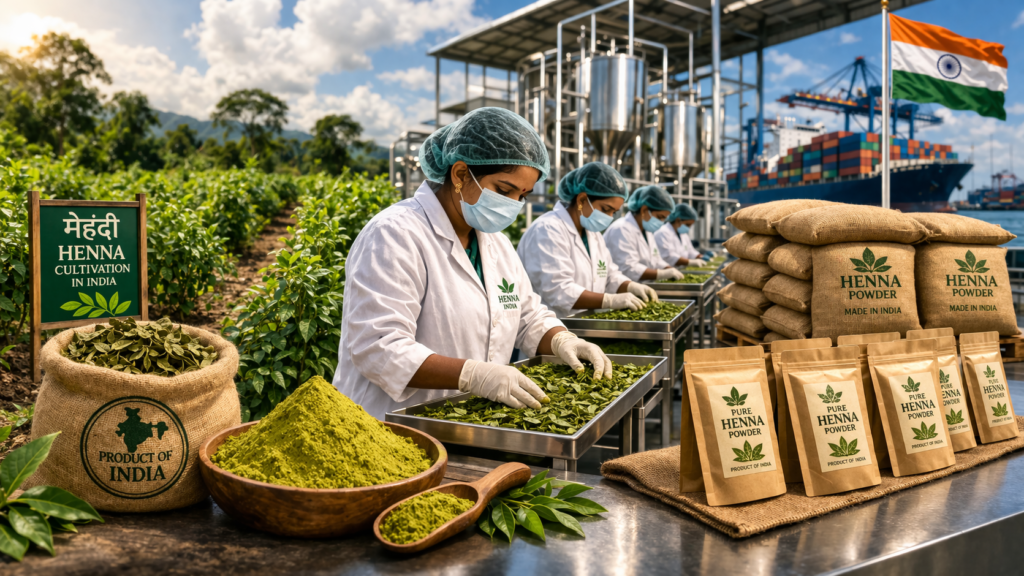
When choosing henna products for personal or business use, understanding the difference between an organic vs regular henna manufacturer is crucial. Not all henna is created equal, and the source, processing, and ingredients significantly impact quality and safety. Even slight variations in how henna is grown or prepared can influence its color payoff, texture, and overall performance.
Whether you’re a salon owner, distributor, or individual buyer, knowing what sets these manufacturers apart helps you make informed decisions. You can also explore this detailed guide onchoosing the right henna manufacturer in India for deeper insights. This guide breaks down the essential distinctions in a simple, practical way, making it easier for you to choose products that align with your quality expectations and customer needs.
What Defines an Organic Henna Manufacturer?
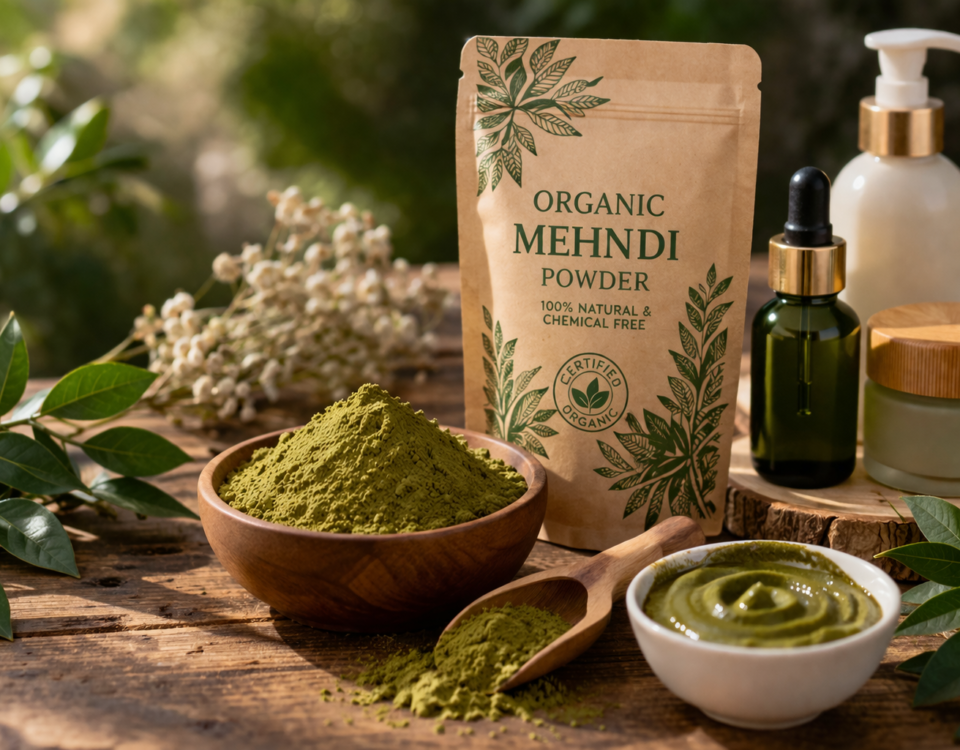
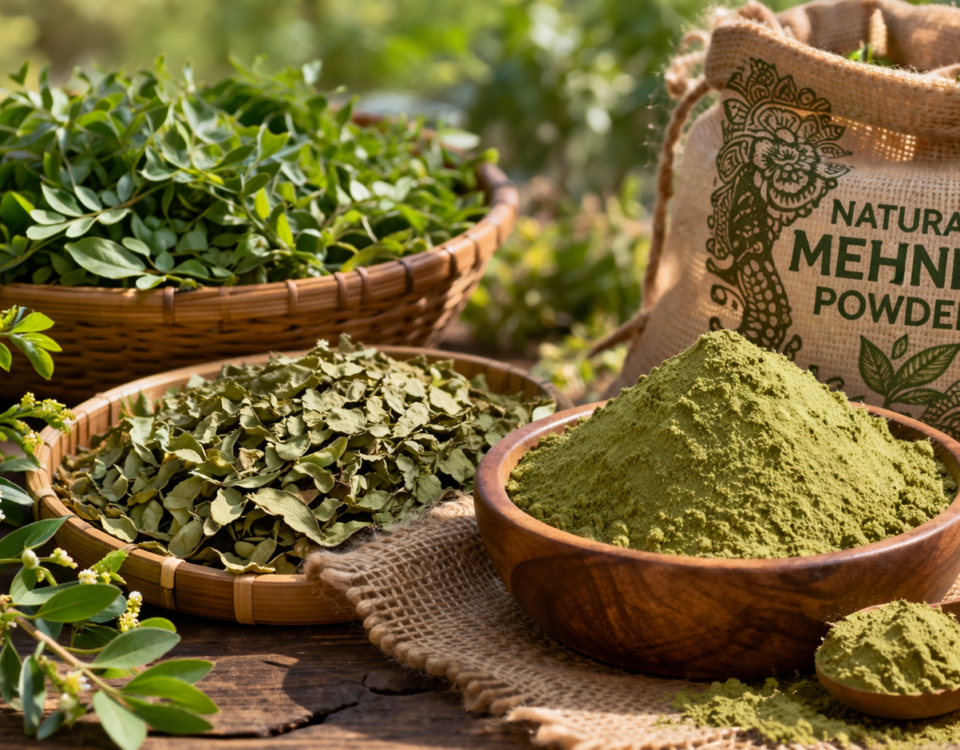
An organic henna manufacturer focuses on purity, sustainability, and health-conscious production practices. These manufacturers use henna leaves grown without pesticides or synthetic fertilizers and ensure that the processing is done without adding chemicals or artificial dyes. Their approach emphasizes maintaining the natural properties of henna while adhering to strict safety and quality standards. Many such businesses operate as a certified organic henna supplier, which adds an extra layer of trust and authenticity for buyers.
What Defines a Regular Henna Manufacturer?
A regular henna manufacturer typically focuses more on cost-efficiency and large-scale production. In many cases, the henna used may come from crops treated with chemicals, and the final product might include additives, preservatives, or artificial color enhancers. These manufacturers aim to deliver products quickly and at a lower price point, which makes them accessible but often compromises purity and consistency.
Organic vs Regular Henna Manufacturer: Core Differences
When comparing an organic vs regular henna manufacturer, the most noticeable differences appear in ingredient quality, safety, processing methods, and environmental impact. Organic manufacturers rely entirely on natural henna leaves, which results in a richer and more authentic color, while regular manufacturers may mix in synthetic components that affect both performance and safety. Organic henna is also widely regarded as safer for the skin, especially when sourced from a chemical free mehndi manufacturer, as it reduces the chances of irritation or allergic reactions. Additionally, organic production methods are more environmentally friendly, whereas conventional processes may contribute to soil degradation and pollution.
Why Businesses Prefer Organic Henna Suppliers
Businesses today are increasingly choosing organic henna because it aligns with modern consumer expectations. Customers are becoming more aware of what goes into the products they use, and they prefer natural, safe alternatives. Working with a premium organic henna supplier helps businesses build trust and credibility while offering superior quality products. Partnering with a reliable brand like Taj Henna further strengthens product quality and customer confidence. This shift also enhances the overall customer experience, as organic henna tends to provide better application results and fewer side effects.
Cost Comparison: Is Organic Henna Worth It?
One of the most common considerations when evaluating an organic vs regular henna manufacturer is cost. Organic henna generally comes at a higher price due to the careful farming practices, certification processes, and attention to quality involved in its production. On the other hand, regular henna is often more affordable because it is produced on a larger scale with fewer restrictions. However, when looking at long-term value, organic henna often proves to be more beneficial due to its superior quality and safety.
Quality Standards and Certifications
Certifications are a key factor that differentiates organic henna manufacturers from regular ones. Organic manufacturers usually adhere to strict guidelines that ensure their products are free from harmful chemicals and sourced ethically. This is why many buyers prefer working with a natural henna wholesale manufacturer that can provide verified credentials. In contrast, regular henna manufacturers may not always follow standardized practices, making it difficult to assess the quality and safety of their products. especially when using body art quality BAQ henna powder known for its purity and performance.”
How to Choose the Right Manufacturer
Choosing between an organic vs regular henna manufacturer depends on several important considerations. The purpose of use plays a significant role, as businesses and professionals often prioritize quality and safety over cost. Budget is another factor, as organic options require a higher initial investment. Customer expectations, especially in today’s health-conscious market, also influence the decision. Additionally, safety concerns such as skin sensitivity can make organic henna a more suitable choice for many users. whether you are looking for ready-to-use henna paste or customized solutions.
Long-Term Benefits of Organic Henna
Over time, the advantages of organic henna become more apparent. It offers a safer experience for users by minimizing the risk of irritation and making it suitable for repeated use. Environmentally, it supports sustainable farming practices and reduces chemical exposure. From a business perspective, choosing organic henna helps build stronger relationships with customers, as it reflects a commitment to quality and responsibility. These long-term benefits highlight the importance of selecting the right organic vs regular henna manufacturer.
Conclusion
Choosing between an organic and regular henna manufacturer ultimately comes down to your priorities—quality, safety, cost, and long-term value. Organic henna stands out for its purity, eco-friendly production, and skin-safe properties, making it ideal for both personal and professional use. While regular henna may be more affordable, it often lacks the assurance of natural ingredients and consistent quality. As consumer awareness grows, more individuals and businesses are shifting toward organic options for better results and peace of mind. Understanding the differences outlined above will help you make a confident and informed decision. When evaluating an organic vs regular henna manufacturer, always consider not just the price, but the overall value and impact on your health and brand.