For skincare, haircare, and body-art lines, henna can be more than a traditional plant powder. It can become a clean-label colorant, a botanical story, and a product experience customers understand quickly. Still, buying henna powder for cosmetic brands is not the same as buying a small bag for personal use. A brand has to think about origin, particle size, microbial safety, documentation, packaging, labeling, and batch consistency before the product reaches a shelf.
The strongest products usually begin with questions. Where was the plant grown? How was it dried? Was the powder blended with anything? Can the supplier support repeat orders with the same shade, texture, and test records? Asking these questions helps businesses Choose the Best Sidr Powder Manufacturer who can consistently deliver pure, high-quality products, reliable documentation, and dependable supply for long-term success.
Why Henna Still Matters in Modern Beauty
Henna has stayed relevant because it is plant-based, familiar across many cultures, and associated with hair conditioning, body art, and traditional self-care rituals.
Used well, henna can support hair masks, brow and body-art preparations, scalp care blends, and botanical color concepts. Its coloring performance depends on plant quality, age, storage, and processing. This is where henna powder for cosmetic brands needs a stricter lens.
What to Look for Before You Source
A dependable sourcing process starts with a clear product brief. Decide whether the powder will be used for hair, body art, face or brow products, or as part of a broader botanical blend. Each use case calls for different expectations around fineness, staining strength, odor, color release, and safety testing.
Ask for representative pre-shipment samples, not just a polished display sample. Test the powder in the way your customer will use it. For a hair mask, check mixability, spread, rinse feel, and post-rinse texture. For body art, evaluate paste smoothness and clogging risk in applicators.
When choosing Private label henna powder manufacturers, it is important to look beyond pricing and product claims. A reliable supplier should be transparent about the quality and processing of their henna powder.
A serious cosmetic henna supplier should be comfortable discussing harvest season, drying method, milling standards, and storage practices. Vague answers are a warning sign.
Quality Markers That Affect Performance
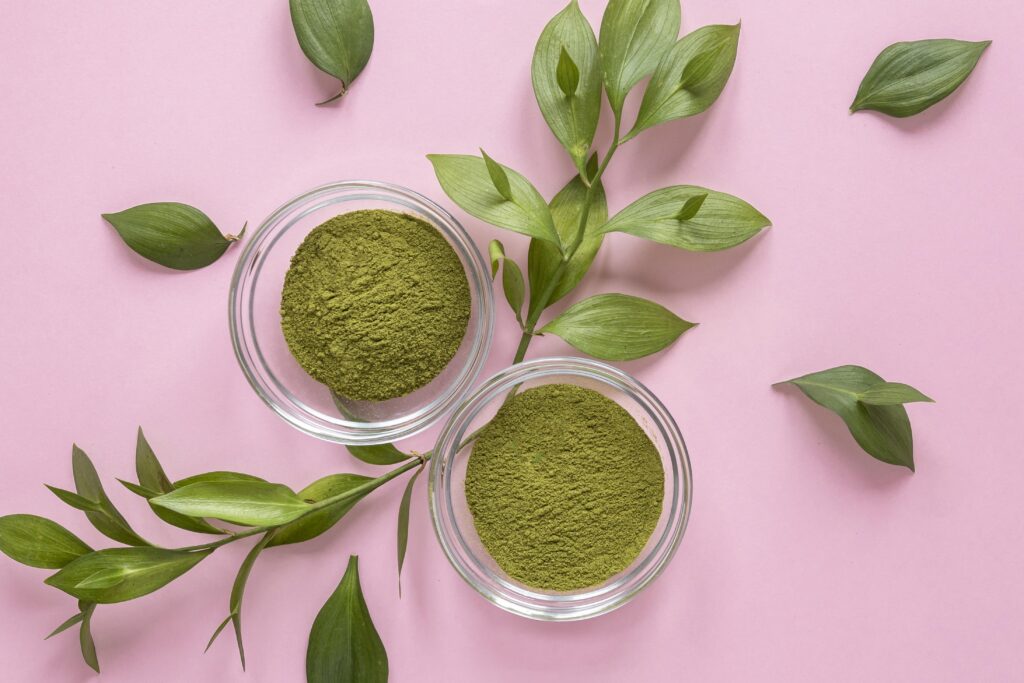
Good henna is not judged only by color. The powder should be finely milled, free from visible grit, and have a fresh greenish-brown tone. Aroma matters too. A natural hay-like scent is expected; harsh chemical notes suggest contamination or adulteration.
For henna powder for cosmetic brands, lab testing should be routine. Common checks may include microbial limits, heavy metals, pesticide residues, moisture, and adulterants.
Particle size is another practical detail. A finer powder usually mixes into a smoother paste and feels more premium in use. Coarser material can look rustic, but it may also create uneven application.
Documentation and Compliance Basics
Cosmetic buyers should request a certificate of analysis, specification sheet, safety data sheet, allergen statement where available, and origin details. If your brand sells internationally, check ingredient naming conventions and regulatory expectations in each target region before printing labels.
Henna is often viewed as a natural cosmetic ingredient, but “natural” does not remove the need for safety review. Claims should be modest, accurate, and supported by product testing. Avoid promising medical benefits or dramatic hair transformation unless you have the evidence and legal review to support it.
Documentation also helps during retail onboarding. Retail partners may ask for ingredient records, batch traceability, and packaging details.
Private Label and Custom Formulation Options
For emerging brands, private label can shorten the path from idea to launch. Instead of building production from scratch, you can work with a partner that already handles milling, blending, filling, labeling, and sometimes packaging design.
A private label herbal powder program may include single-ingredient henna, blends with amla or indigo, scalp-focused masks, or ritual-style kits with mixing instructions. The right format depends on your audience. A salon-focused line may need professional pouch sizes, while a direct-to-consumer brand may prefer smaller jars with clear usage steps.
Before committing, ask about minimum order quantities, lead times, artwork requirements, packaging compatibility, and whether formulas are exclusive or shared.
Building a Beauty Product Customers Trust
Customers buying botanical beauty products often worry about mess, smell, staining, and whether the product will work the same each time. Strong content and thoughtful packaging can answer those concerns before purchase. Include realistic directions, patch-test guidance, and storage advice.
For a beauty brand henna powder launch, consider usage videos, shade timing charts, or simple before-and-after education. The goal is to help customers feel prepared, especially if they are new to plant powders.
Packaging should protect the powder from light, air, and moisture. Foil pouches, sealed jars, or lined cartons can all work.
How to Evaluate a Manufacturing Partner
Not only does your manufacturer supplier supply you with raw material but also helps you avoid issues. Get clarification on how they monitor raw material entry, segregation of each batch, equipment cleaning, storage of powder, and complaints handling. When considering several manufacturers of herbal powders, make a scorecard which can include sample quality, communication efficiency, cost, packaging choices, and delivery time.
To get henna powder that works for your cosmetic brand, you need to have a partner that knows about both types of products.
Pricing, MOQ, and Supply Planning
Henna pricing may vary due to changes in quality of crops, seasonal changes, cost of labor, shipping fees, and cost of packaging. An unusually cheap quotation may be an indication of poor quality raw henna, insufficient testing, rough grinding, or mixtures. It is necessary to inquire about what is included in the cost.
Minimum order quantity matters because botanical powders have shelf-life considerations. Ordering too much can trap cash in inventory and increase the risk of aging stock. Ordering too little may raise per-unit cost and complicate repeat availability.
For henna powder for cosmetic brands, forecast planning should include sample approval, production time, lab review, packaging procurement, shipping, customs, and a buffer for delays.
Common Mistakes to Avoid
One common mistake is choosing a herbal powder manufacturer only from a photo. Powder color on a screen says very little about staining quality, purity, or customer feel. Another is skipping pilot testing. Brands also sometimes write label claims before understanding the ingredient’s limits. Keep language clear and practical. Explain how to use the product, what results may vary, and how customers can reduce staining mess. Honest instructions build more trust than dramatic promises.
Conclusion
Choosing henna for a beauty line is part ingredient sourcing, part product development, and part customer education. The best results come from slowing down early: sample carefully, review documentation, test the powder in real use conditions, and choose packaging that keeps it fresh. A dependable partner should be transparent about origin, batch control, testing, and what they can realistically support as your orders grow. Price matters, of course, but consistency matters more once customers begin expecting the same result every time. It also helps to think like the end user. Clear instructions, honest claims, and practical storage advice can make a simple powder feel polished and easy to trust. If you are building a botanical haircare, body-art, or ritual beauty product, henna powder for cosmetic brands can be a strong foundation when sourced with care and presented with helpful guidance.